
The Dipp Legacy.
Three companies. Three generations. One family. From the Art Deco crown of the Plaza Hotel to a new generation of medical campuses rising against the Franklin Mountains, each Dipp built his own, and each left a mark on El Paso.
Dipp means Wolf.
The surname Dipp — spelled in the Americas as Dib, Deeb, or Dipp — comes from the Arabic ذئب (dhi’b), the word for wolf. It is a Lebanese Christian name carried to Mexico and the United States in the great emigration of the late nineteenth and early twentieth centuries — In the old country, the wolf stood for cunning, strength, intelligence, and resilience.
When the third generation named the modern operating company Wolf Landmark, it was simply the family name, translated.
From Lebanon, by way of Mexico.
Before there were buildings, there was a journey — from the cedars of Lebanon, through Guadalajara, to a railhead city on the Texas border where a ten-year-old boy would one day build one of the city’s lasting family businesses.
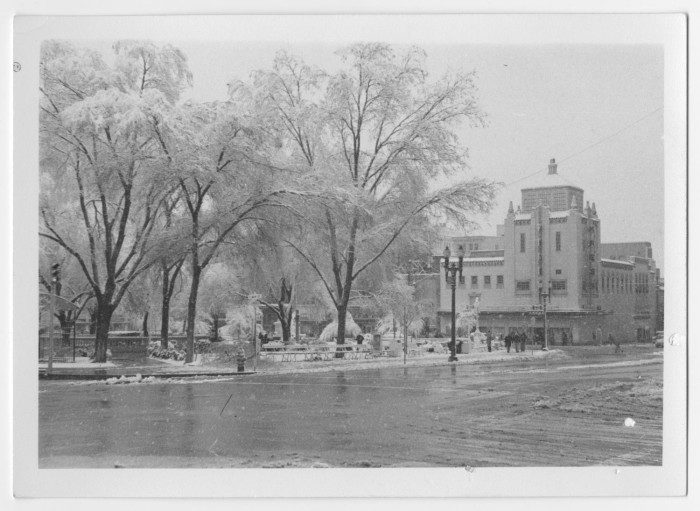
A border town, a Lebanese boy, a future skyline.
Mike Dipp Sr. was born in Guadalajara, Mexico, the son of Lebanese immigrants. At ten years old, he crossed the Rio Grande into El Paso — a railroad and smelter town then in the middle of a roaring early-twentieth-century boom. He would marry Mary Hanrah, a native El Pasoan, raise a family on Gold Avenue, and spend the next seven decades buying, building, and stewarding the city’s most important buildings.
He would found his own real estate company, Plaza Properties, and through it assemble a portfolio that ran from the Art Deco crown of the Plaza Hotel to the wholesale grocery business that fed two countries. The next generations would not inherit it. They would inherit the knowledge — and build companies of their own.
Mike Dipp Sr.
He bought the tallest building in town from Conrad Hilton. He built a wholesale grocery business that fed two countries. By the time he was finished, the family name was part of the El Paso skyline.
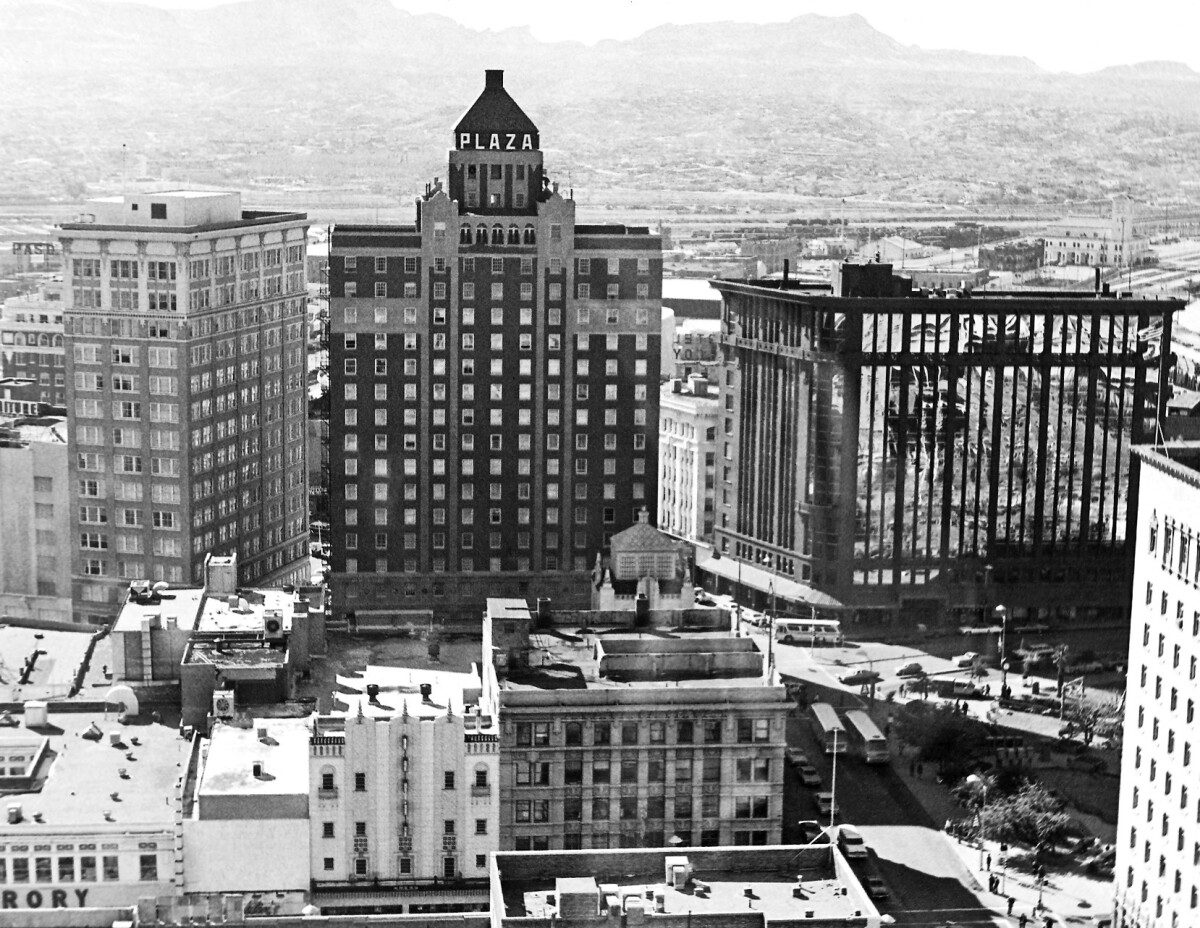
The Plaza Hotel — bought from the Hiltons themselves.
When Conrad Hilton built his first high-rise hotel in 1930, he chose downtown El Paso. The seventeen-story Art Deco tower at 106 Mills Avenue, designed by Henry Trost, was the tallest building in the city for more than three decades. Elizabeth Taylor lived in the penthouse during the filming of Giant. Conrad’s mother kept an apartment there until 1947.
In 1963, Hilton put it up for sale. Mike Dipp Sr. bought it. For the next twenty-eight years, the Plaza Hotel was a Dipp building — operated by the family through their company Plaza Properties until the hotel closed in 1991 and the building entered the long hibernation that preceded its recent restoration.
In 1980, the Plaza was placed on the National Register of Historic Places — recognition of an asset the Dipp family had carried through changing decades, freeway expansions, and the slow centrifugal pull of the suburbs.
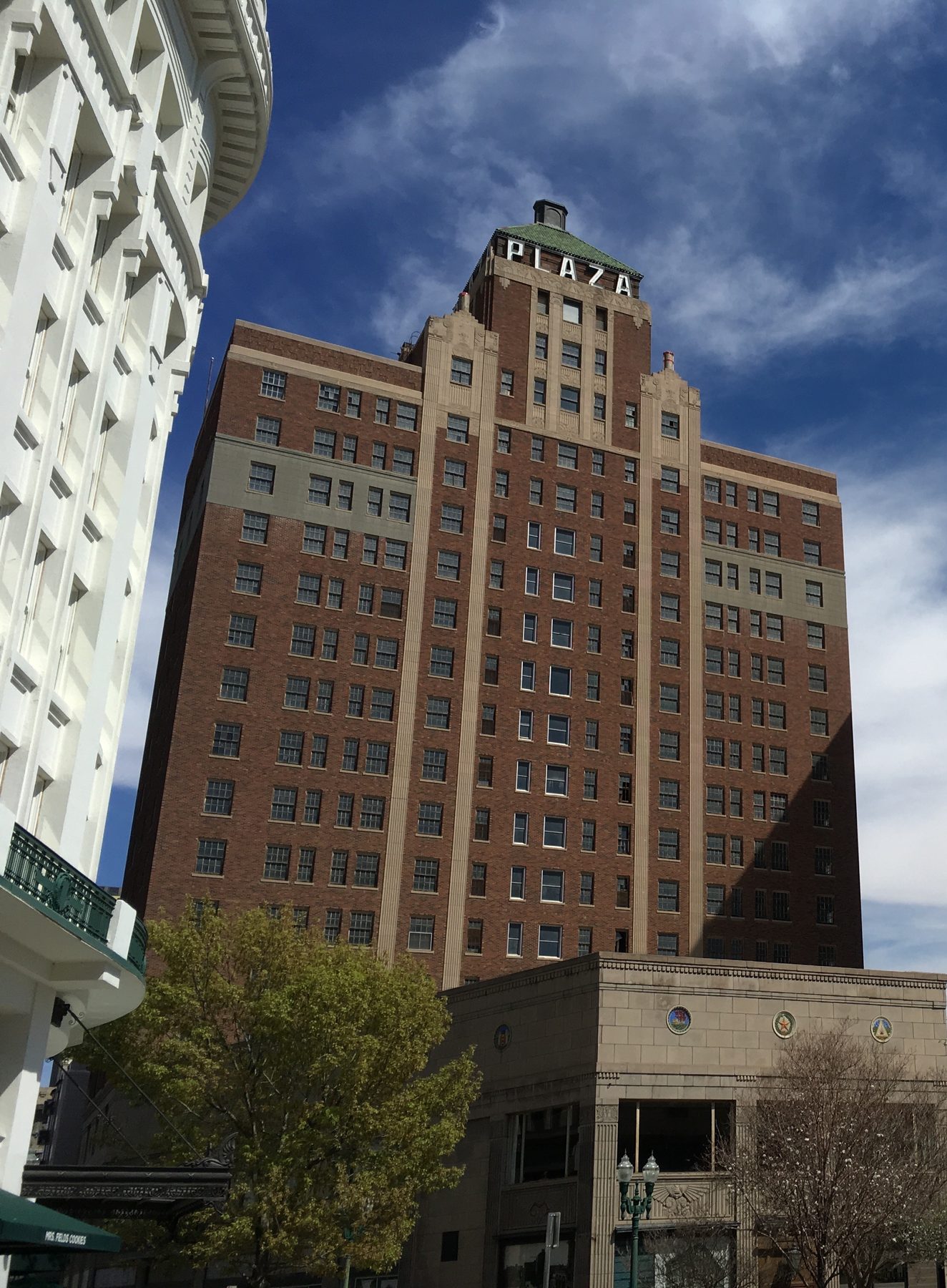

Economy Cash & Carry — feeding two nations.
In 1958, Mike Sr. opened a small two-story wholesale grocery at 219 South Ochoa Street called Economy Cash & Carry — what the press would later describe as a “1950s version of Costco.” It grew into Economy Wholesale Grocers, a cross-border distributor serving the United States and Mexico that still operates today, nearly seventy years later.
Around it, he built a constellation: Coldway Storage & Warehousing, a refrigerated cold-chain business that became one of the largest in the region; produce wholesale houses; the Plaza Hotel and its theater; shopping centers; and land in the Upper Valley.
By the time the 1980 El Paso County Historical Society profile described him at home on Gold Avenue, Mike Sr. owned, in their words, “wholesale houses, a shopping center, a hotel, and land in the Upper Valley.”
“He came across the river at ten years old. He left behind a skyline.”
George R. Dipp.
He grew up inside his father’s business — the Plaza Hotel, the wholesale houses, the downtown holdings — and learned the business at the dinner table. But when it came time to make his own name, he didn’t take a key to an inherited building. He took the knowledge, walked out the door, and built his own.
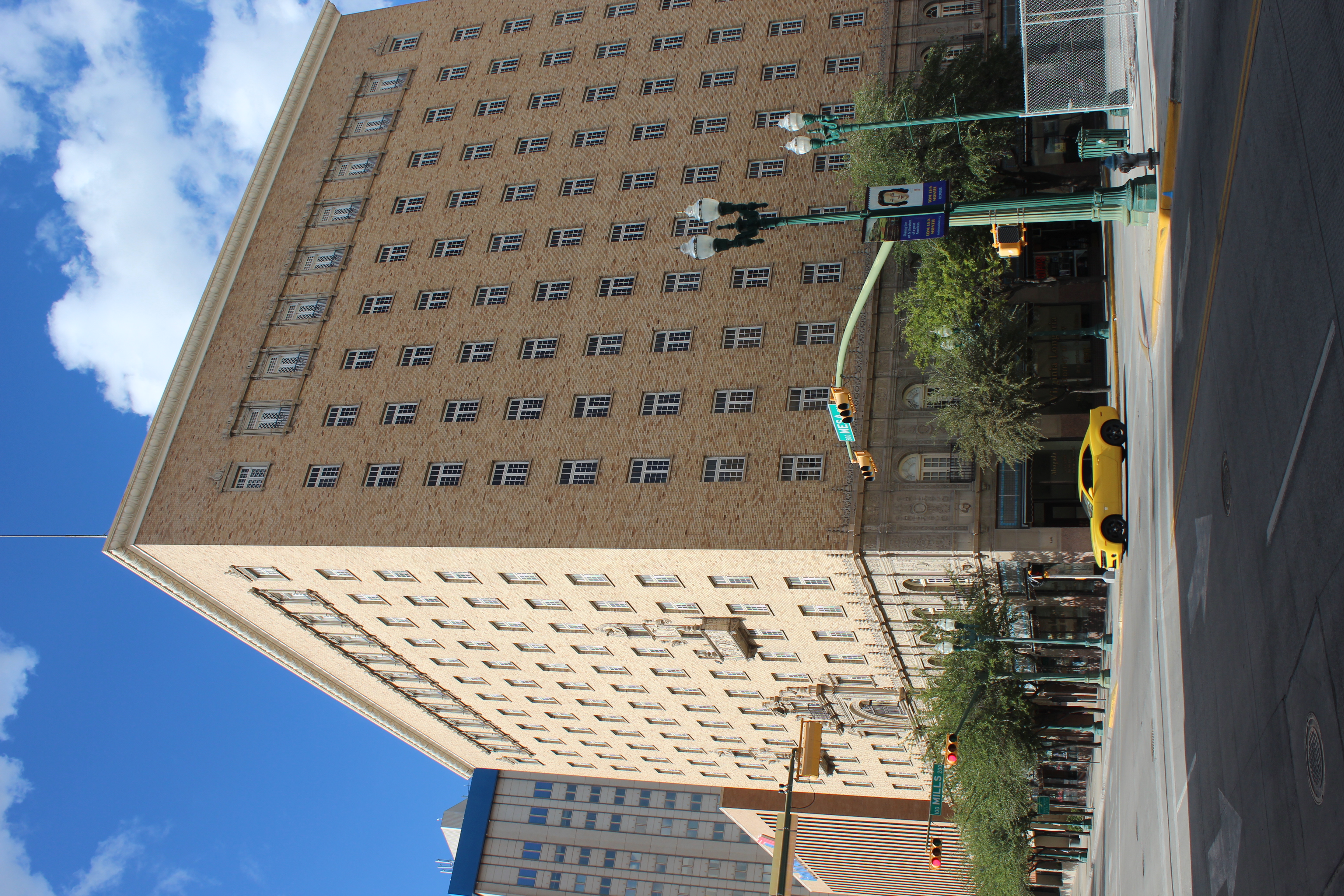
What you inherit, and what you make.
From his father he inherited an education no university offered — how a wholesale grocer reads a market, how a downtown hotel is run during a recession, how to walk through a building and see what it could be instead of what it was. Mike Sr. taught his son the trade the way an old country teaches a language: by surrounding him with it.
Then George walked his own road. He founded GRD Companies and Goldtex Partners — his own companies, on his own ledger — and built a portfolio one distressed asset at a time. A shopping center the market had written off. A downtown landmark that had gone dark. He acquired them, repositioned them, and turned each one into a Class A address.
The result was a body of work that crossed every commercial discipline El Paso has to offer — industrial, retail, high-rise office, historic preservation — every property acquired on his own account, under his own name. Both companies still operate today, run for him by the third generation.
A portfolio of turnarounds.
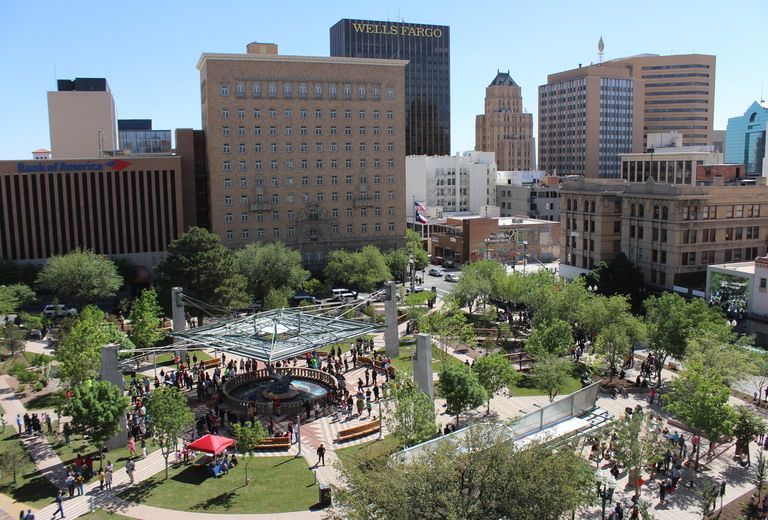
The signature pattern: where the market saw distress, GRD and Goldtex saw a Class A address waiting to be uncovered. Crossroads Shopping Center, at the hard corner of Mesa & Doniphan, was historically 100% occupied for three decades — tenants have included CVS, Wells Fargo, and Dollar Tree. The Cortez, eleven stories of Trost terra-cotta on San Jacinto Plaza, was restored to its 1930s splendor under GRD Companies. Las Colinas followed.
One distressed asset at a time, the second generation rebuilt the family’s downtown — and built a portfolio of his own along the way.
“Where others saw distress, he saw a Class A address waiting to be uncovered.”
Wolf Landmark.
Wolf began as Pasotex — three small warehouses on Carnegie in 1999 — and North Mesa Management. More than two decades later, carried by the third generation of a family that has built El Paso since 1945, no firm has developed or redeveloped more medical real estate in the city in the last ten years. Hundreds of thousands of square feet built ground-up for the institutions and tenants that now define healthcare in West Texas.

Three small warehouses on Carnegie.
Wolf began the way the family’s first two companies had — with a few buildings, a clear head, and the knowledge passed down at the kitchen table. Pasotex was founded in 1999 with three small warehouses on Carnegie: simple assets, in the right place, bought right — the foundation two generations before it had taught the firm to recognize.
North Mesa Management followed in 2005, and together the two companies became the operating platform for what came next — ground-up clinics, ambulatory surgery centers, medical office buildings, and Class A medical campuses for the institutions and operators that now anchor healthcare on the border. A body of work now in its third decade.
Today, operating as Wolf Landmark Investment Group, the firm has developed and redeveloped more medical real estate in El Paso than any other developer in the past decade. It remains the firm’s single focus.
The institutions Wolf has built for.
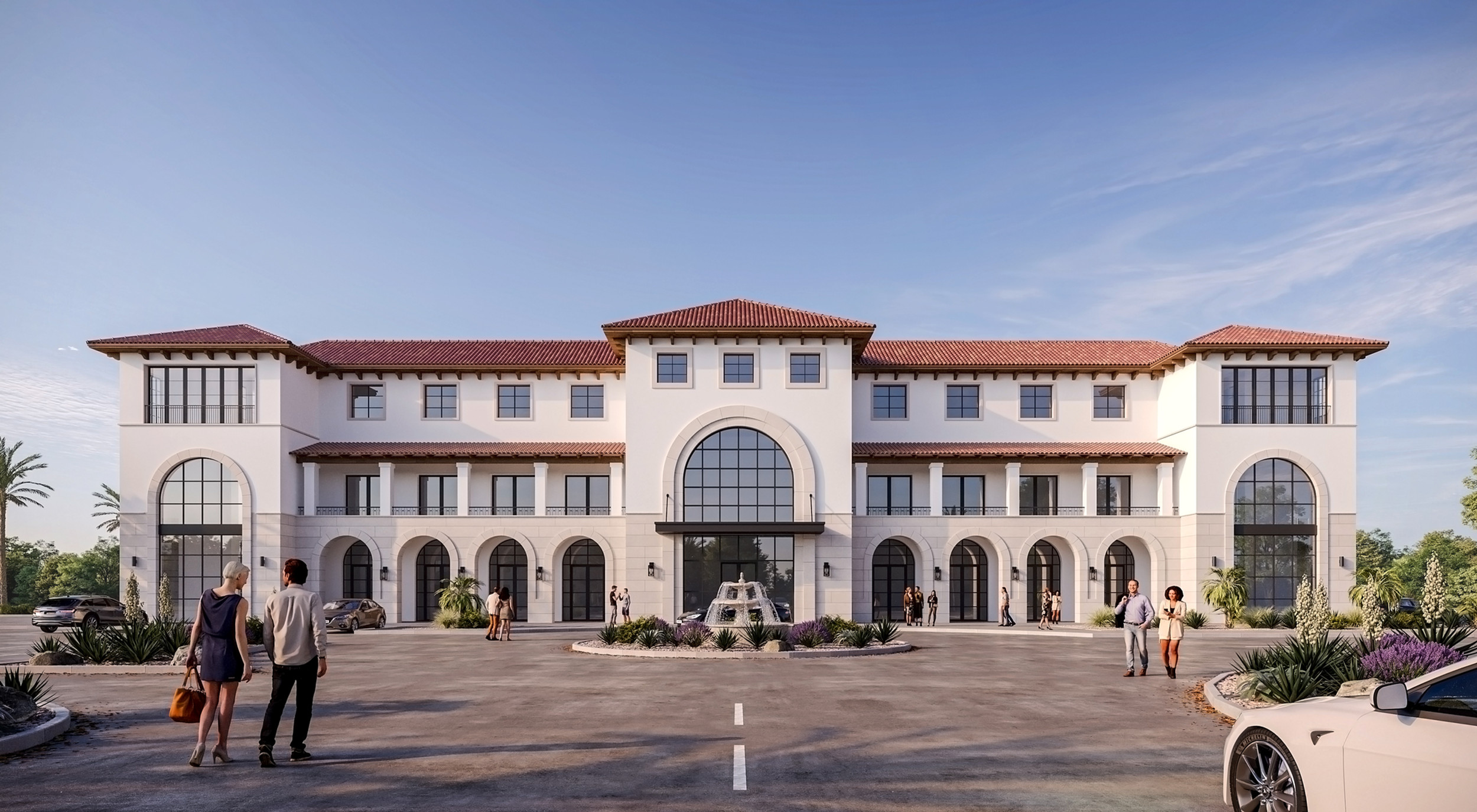

“We build places where healthcare feels personal and stress-free.”
Jardines at Cimarron.
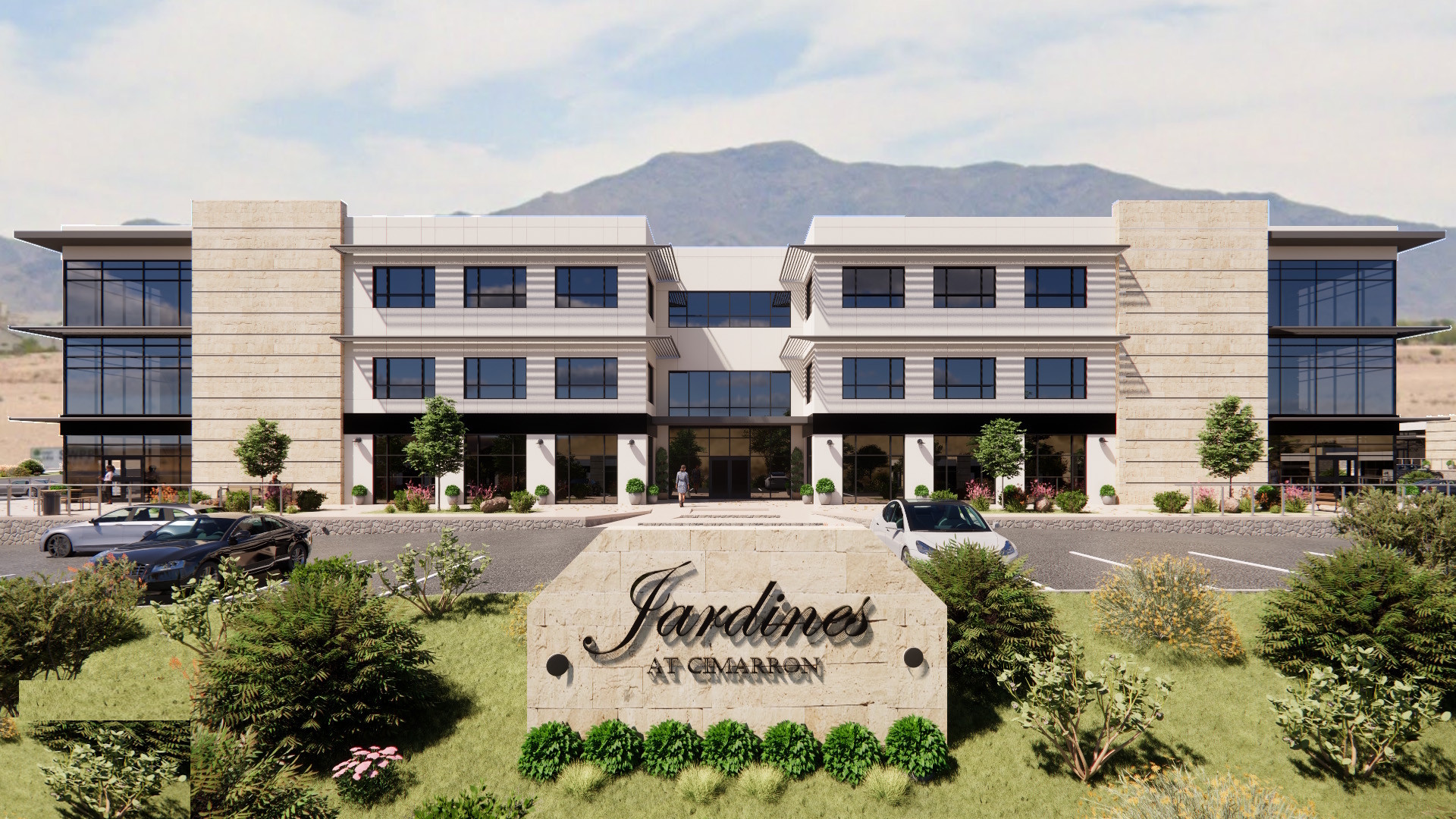
Class A medical, professional office, and luxury retail in the foothills of the Franklin Mountains — the most ambitious project the family has taken on.
What comes next.
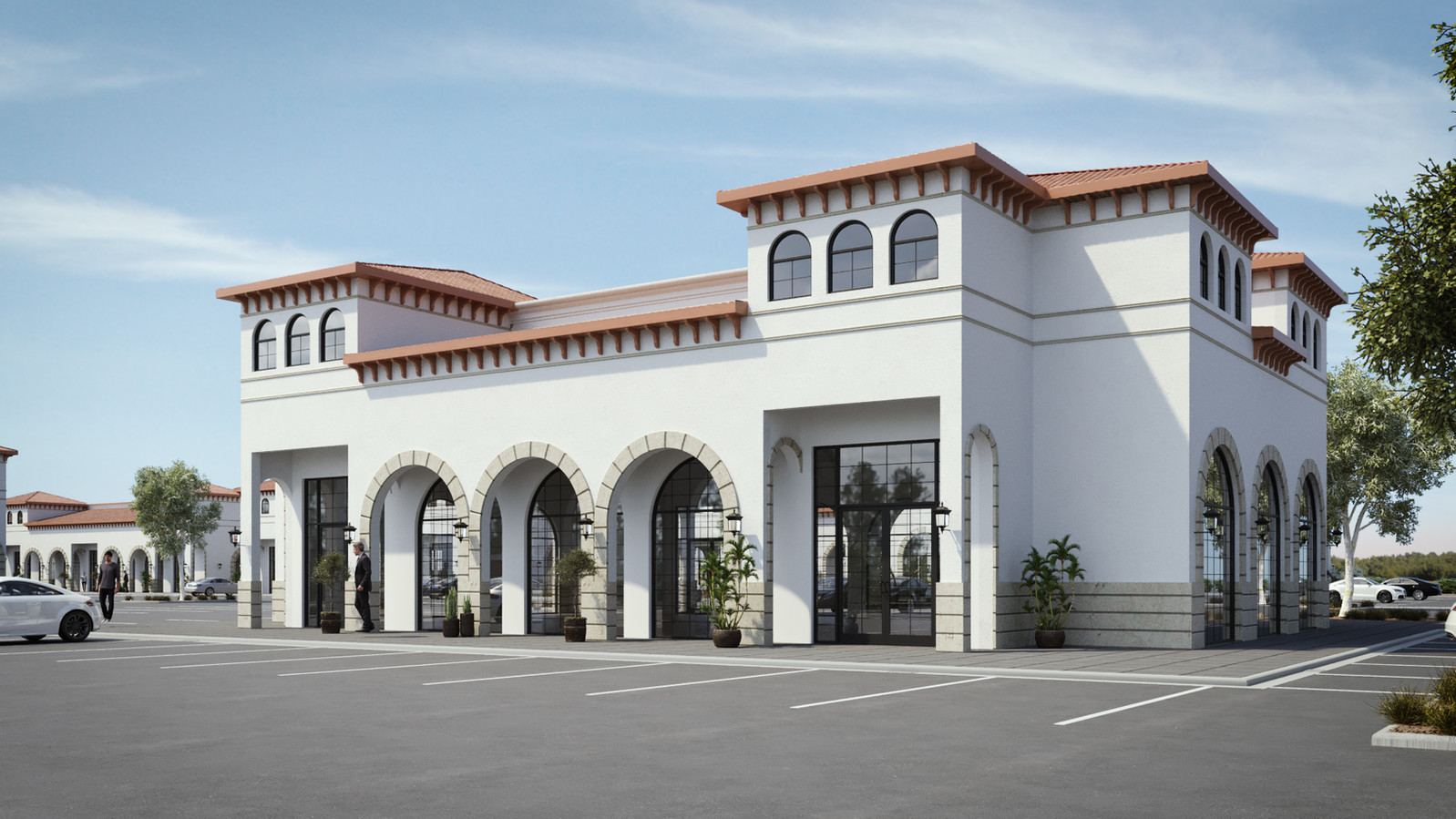
Jardines pairs medical and professional suites with high-end retail, set against the Franklin Mountains in the Cimarron master plan. The goal is straightforward: the best medical and professional address in El Paso.
It is also a closing of the circle. Decades after Mike Dipp Sr. founded Plaza Properties, and after George R. Dipp built GRD Companies and Goldtex Partners from the ground up, Wolf Landmark is breaking ground on a new chapter — and on the most ambitious development the family has ever undertaken.
Three Companies, One Family.
Lebanese-born, raised in Guadalajara, he crosses the border at age ten with his family.
His own real estate company — the umbrella for the Plaza Hotel, the wholesale grocery business, and downtown holdings.
A two-story building. Nearly seven decades later, Economy Wholesale Grocers still serves the U.S. and Mexico.
Conrad Hilton's first high-rise, the tallest building in El Paso for more than thirty years, becomes a Dipp building.
Recognition of an asset the family had carried for nearly two decades.
He doesn't inherit — he starts his own companies. Industrial, retail, high-rise office, and historic preservation, built from scratch.
Crossroads Shopping Center. Cortez on the Plaza. A signature portfolio of distressed-to-Class-A repositions.
The third generation begins the way the first two did: three small warehouses on Carnegie and the knowledge passed down at the kitchen table.
The operating platform, with Pasotex, for two decades of ground-up development.
Hundreds of thousands of square feet delivered for El Paso Children's, UMC, the U.S. Army, WellMed, Tenet, HCA, Quest, CVS, and Walgreens.
88,500 sf of Class A medical against the Franklin Mountains.
Now operating as Wolf Landmark Investment Group, the third generation breaks ground on the family's most ambitious project to date.
The story continues at Wolf Landmark.
Plaza Properties · GRD Companies & Goldtex Partners · Wolf Landmark Investment Group — three companies, three generations, one family of independent El Paso developers.
Explore Current Projects →